Challenge:
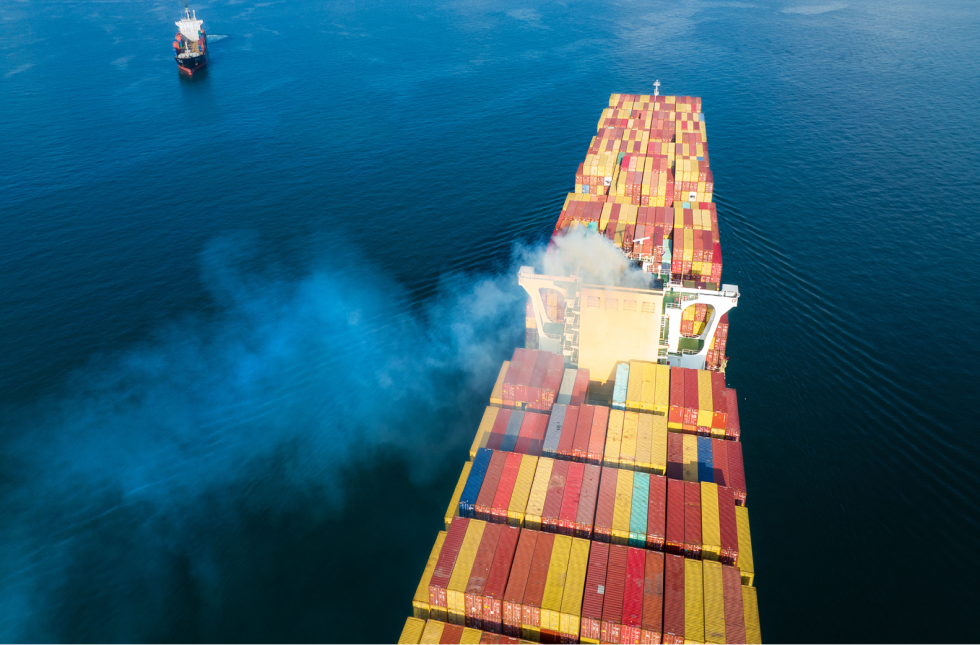
The purpose of this project was to clarify the technological options for removing the environmentally and climate-affecting emissions from commercial ships during port stays. Shipping’s energy consumption contributed to a large extent to global emissions, but it was not a straightforward task, as many value chains met at the port. The primary solution used today was shore power, where the ship is connected to the local electricity grid, which then supplies the energy the ship needs. However, there was no one-size-fits-all solution.
Solution:
The purpose of this project was to analyze, in a holistic way, taking into account different types of ports, ships, and energy needs, the entire potential solution field, including shore power, for the ability to solve the emission problem, the technological maturity, the business potential, and synergies with the general energy transition of society.
Effect:
At this day, commercial shipping contributed to a large part of the total global anthropogenic emissions of environmental pollutants. A 2018 study estimates that there is a global potential to reduce SOx emissions by almost 700 thousand tonnes and NOx by around 1.2 million tonnes.