Challenge:
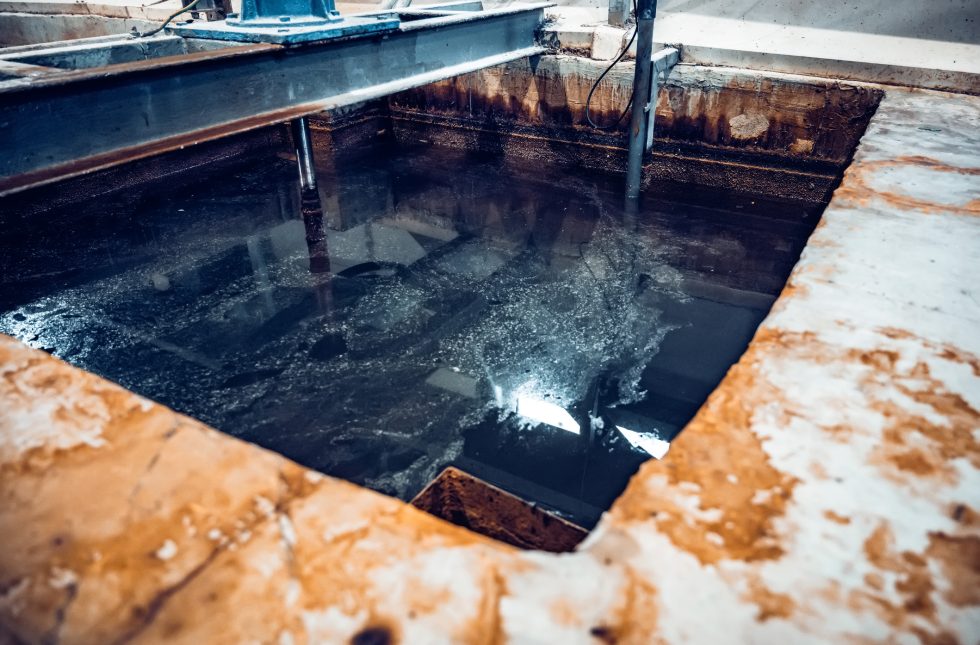
Wastewater was treated using aerated tanks where COD, N, and P were biologically removed. Aeration accounted for up to 50% of the total power consumption of a wastewater treatment plant and was therefore a costly item. At the same time, the fluctuating load at the treatment plant could make aeration difficult, which impaired N and P removal. Therefore, new methods of wastewater treatment were needed that were more energy efficient and could reduce the climate impact of wastewater treatment plants without major costs.
Solution:
TechRas Nano developed a method to purify wastewater using nanobubbles. By delivering oxygen much more efficiently and directly to areas in the tank (e.g., the bottom), the technology helped treat wastewater using less energy while increasing the capacity of wastewater treatment plants.
Through the knowledge bridge project, methods were developed to document the nanobubble technology and test it on a pilot scale at a wastewater treatment plant.