SIMPLY-projektet repræsenterede et afgørende skridt fremad i bestræbelserne på at fremme pyrolyse-teknologier som en nøglefaktor i kampen mod klimaforandringer. Dette initiativ fokuserede på tilpasning af metoder til at vurdere klimapåvirkningen, fastsætte klare mål og skabe passende rammer og incitamenter. Projektets primære mål var at harmonisere med INNO-CCUS’ retningslinjer og de politiske klimamål for 2030. Centralt i dette arbejde var følgende målsætninger:
- Bidrage til INNO-CCUS vejledende klimamål om en reduktion på 0,2 mio. ton CO2-ækvivalenterom året i 2025 og 2-4 mio. ton CO2-ækvivalenter om året i 2030.
- Opnå en politiske mål indenfor landbrugssektoren med en besparelse på 2 mio. ton CO2-ækvivalenter i 2030, ud fra et udgangspunkt i 2023, der er tæt på nul.
På daværende tidspunkt var klimapåvirkningen fra dansk pyrolyse minimal. Det forventedes, at den uden yderligere indsats kun ville nå omkring 0,05 millioner tons om året i 2025. Nye studier pegede på et betydeligt potentiale i udviklingen af dansk pyrolyse, men tiden var knap, og implementeringsprocessen var fyldt med barrierer og flaskehalse. SIMPLY-projektet søgte at fremskynde udviklingen af nødvendige samfundsmæssige rammer, der hindrede og forsinkede implementeringen. Projektets fokus var primært rettet mod at adressere to grupper af udfordringer:
- Barrierer og udfordringer i regulering og kommunal planlægning.
- Udvikling af incitamentsstrukturer i centrale værdikæder.
SIMPLY-projektet byggede på et omfattende grundlag af tekniske og naturvidenskabelige projekter inden for biomassepyrolyse og ønskede at introducere nye R&D-aktiviteter inden for samfundsvidenskab og systemanalyse. Projektet omfattede følgende aktiviteter:
- Kortlægning af ressourcegrundlag og muligheder på markedet for pyrolyseprodukter.
- Identifikation og placering af implementeringsprojekter for pyrolyseanlæg i målstørrelsesordenen for 2030.
- Analyse af pyrolyse og PyCCUS’ indvirkning på klima og miljø og tilpasning til gældende regnskabsmetoder og -principper på tværs af styringsniveauer.
- Udvikling, afprøvning og implementering af nye bedste praksis-planlægningsprocesser for at muliggøre implementering af pyrolyseteknologi på lokalt niveau.
- Analyse af incitamentsstrukturer og anbefalinger til nødvendige tiltag og rammer.
- Interessentinddragelse med fokus på planlægning og styring, vidensinstitutioner, SMV’er og landbrugsaktører.
Læs mere på projektets hjemmeside
Hvad er pyrolyse?
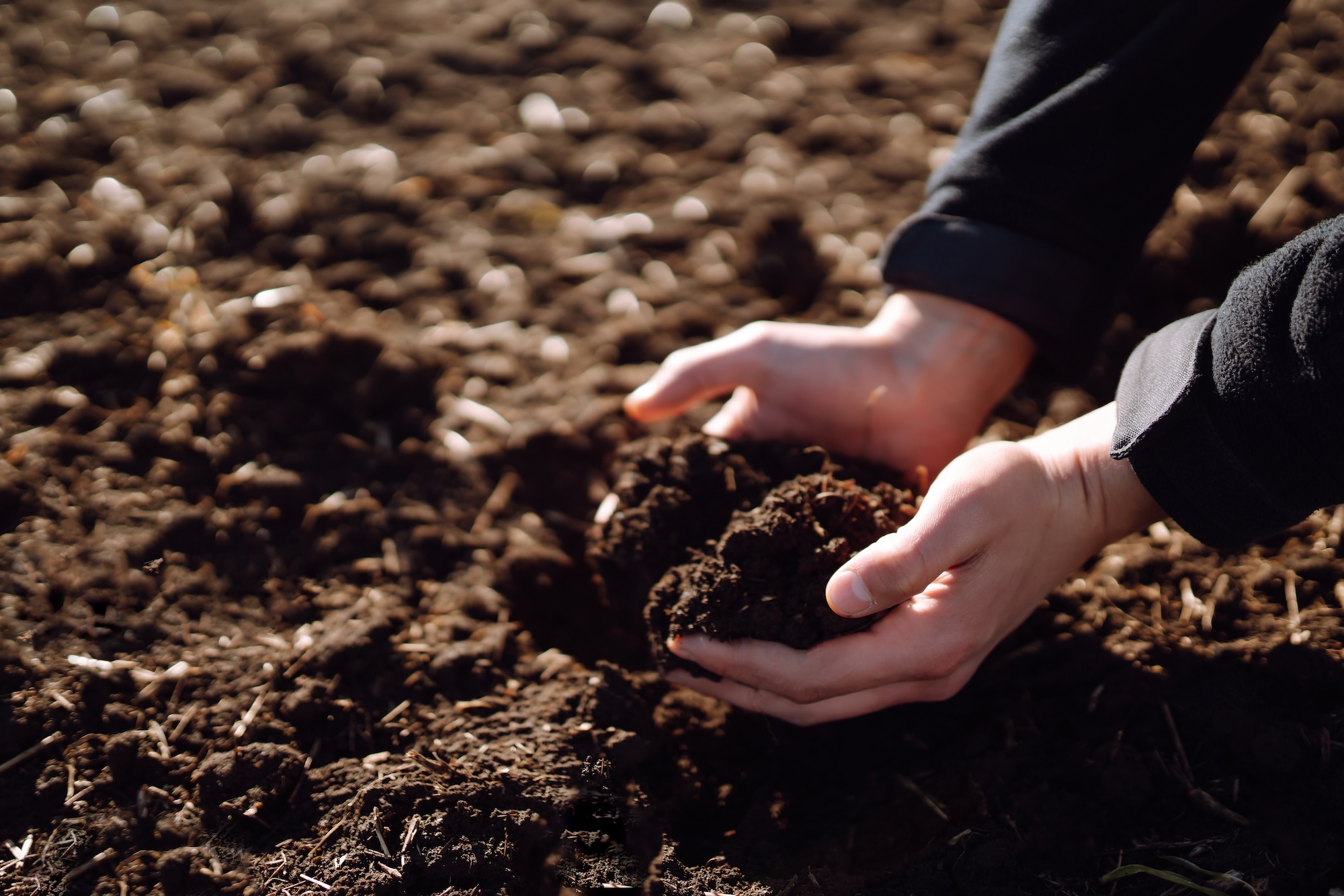
Under pyrolyse omdannes biomasse til værdifulde ressourcer samtidig med at drivhusgasudledninger minimeres. Processen indebærer opvarmning af organiske materialer under fravær af ilt, hvilket resulterer i biochar (eller biokul). Biochar er et kulstofrigt materiale, der er kendt for sin evne til at forbedre jordens frugtbarhed, binde kulstof og øge produktiviteten i landbruget.